It’s hunting season. That means posting will be light (as you may have already noticed). Will have more posts around the time deer season ends or I tag out, whichever comes first.
Posts by
Packing Light For A Long Stalk
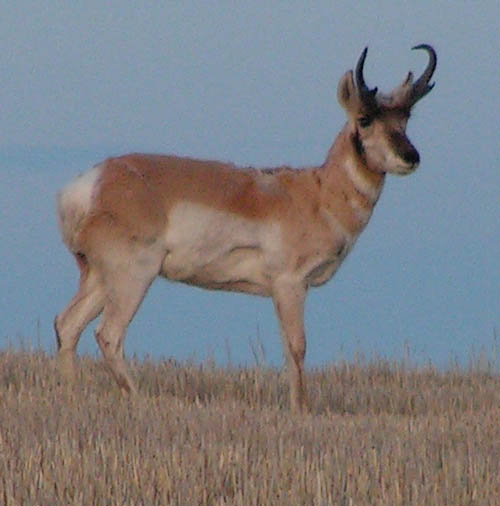 You’ll have to hike in quite a distance and follow up with a very stealthy stalk to get a shot at one of these guys. |
When I hunt, I am usually forced to hunt public lands. I don’t have the money for an expensive deer lease with a couple hundred acres and feeders, so public lands it is. Of course, hunting public lands is not without its own unique problems. I’m not the only hunter out there, and the presence of the dozens of other hunters, all looking to score their own big buck tends to cause the deer to make themselves scarce. Studies have shown that just the presence of one hunter on 40 acres hunting a couple of hours a day causes deer to react to the pressure and drastically change their habits.
Contrary to what many people will tell you, pressured deer don’t head for the hills, go completely nocturnal, or take off for the next county over. But they do change their habits and that usually means having to hike a mile or so into the thickest brush on the property. Having to hike for miles just to get to the game means that I have to travel light.
It’s taken years to perfect my ultralight setup, but I’m going to share a portion of my gear list here. First, traveling over long distances means that I need to stay hydrated. Even in the coldest Texas weather can dehydrate you, often faster than many people realize. Cold air is usually very dry, and that dry air can suck the moisture right out of you just from your normal respiration. Since I need to stay hydrated, the foundation of my setup is a 70 Oz Camelbak Rogue Hydration Pack
Which brings me to game transport. This is probably the biggest pain in hunting public lands. Most of the properties only allow walk in access and, in some cases, equestrian access. I haven’t owned a horse in 16 years, so I’m not able to bring Trigger my trusty steed onto the property to help me pack out my quarry. Many types of game carts are on the market, but none of them are both lightweight and able to handle rugged terrain. They’re heavy and never seem to be able to handle transporting my harvest through thick brush and weeds. Instead of valuing the ability to cart out my deer, I find myself dreading the extra 10 or 15 pounds I have to haul into the woods with me.
It’s a bit harder to haul out of the woods, but my preferred method of game transport is the Dead Sled
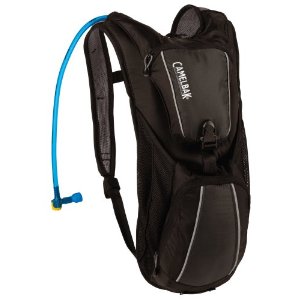 All of the gear described here, with the exception of the dead sled, fits neatly into this hydration carrier. |
Of course, before hauling out my harvest, there’s the matter of field dressing it. Proper field dressing after the kill is not just a weight saving measure: it also helps the carcass to cool off faster and minimizes the exposure of the meat to various juices from the internal organs. So, add in a good quality skinning/gutting knife, some nitrile gloves, a game bag, and a Gerber 46036 folding saw

In addition to this I carry along a few accessories: first aid and survival kit including an MRE, GPS, compass, map, and camera. The camera, first aid and survival kit are fairly self explanatory, and I recommend that every hunter bring some sort of first aid and survival system. If you’ve got a GPS, I always recommend bringing it as a navigational aid as well as a compass for backup.
Most of this gear fits in the pocket and pouches of the CamelBak, except for the Dead Sled which is extremelt lightweight and easy to wear slung across one shoulder. The first aid and survival kit are also too bulky to fit in the CamelBak and have their own MOLLE pouches that are then hung off of the hydration carrier.
This type of setup can be customized to suit your needs with different hydration carriers and pouch configurations, but I’d encourage you to keep the overall weight in mind when putting together your gear. Whether you’re pursuing back country elk, big horn sheep, deer, or pronghorn, having a light load makes it that much easier to hike in and get to where the game are.
Game Camera Pics
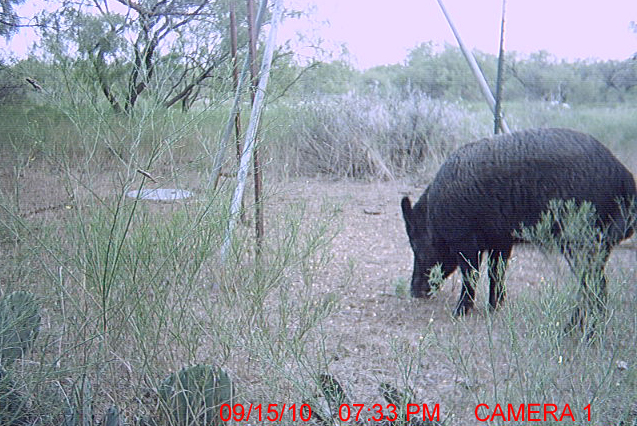
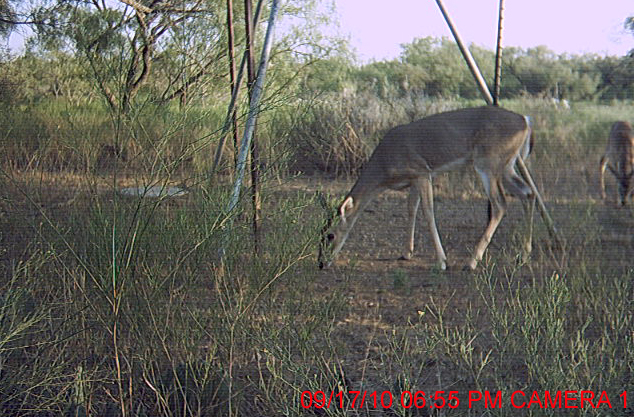
Checked the game camera last weekend out at a friend’s lease. The fall season is shaping up pretty good. This big solitary boar was seem frequently at the feeder. That’s one of the largest hogs I’ve seen in this area… Probably weighs close to 200 pounds if I had to guess.
There aren’t many wild hogs in this area, but partly because there aren’t many they’re not hunted much and this allows the ones that are here more opportunities to grow to sizes like this. To get an idea of just how big this pig is, compare him to the yearling deer snapped by the same game cam.
The Tactical Bird Gun
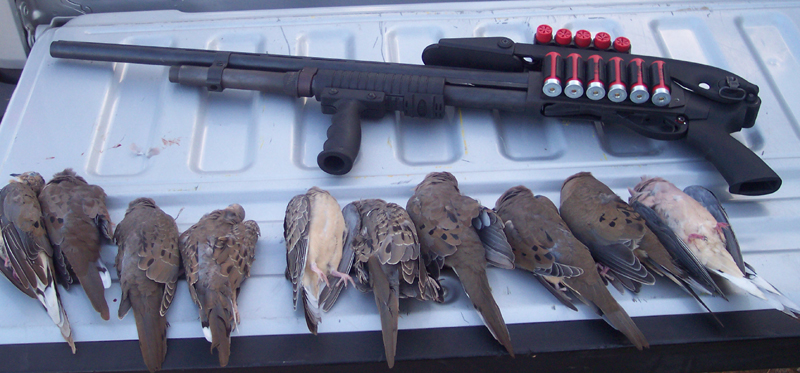 Tacti-Cool Bird Gun Model 870 Mk 1. Is it ugly? Damn straight. Does it work? I’ll let the birds speak for themselves. It’s not a limit of dove, and it really is an ugly gun, but it’s not bad for what I had on hand. |
Go ahead, I’ll wait for the laughter to die down before I continue.
Now, before you get going, sending me emails and leaving comment asking me “What the hell were you thinking doing that to that poor bird gun?” let me say, this shotty did not begin life as a bird gun but instead was pressed into service. I first purchased this 870 shotgun back when I was working executive protection and needed a small tactical shotgun. It came with a pistol grip and an 18″ cylinder bore barrel. I added the side saddle, folding stock and vertical foregrip to make it more useful in my job. I haven’t worked security for a number of years and, despite having bird hunted with friends’ guns for some time, as my firearm collection grew somehow a proper bird gun of my own never made its way into my safe.
Fast forward to this weekend. Friday a friend of mine called asking if I wanted to join him early the next morning on a Dove hunt in North Texas. Sure I did, but I didn’t have a bird gun, and on such short notice I couldn’t get my hands on one easily in time to get out to the dove fields before sunrise. I could however get my hands on a ribbed 26″ Remington 870 barrel with an improved cylinder choke , so I called my buddy with the barrel and asked him if he wanted to come on a dove hunt with us. He’d never hunted before, but agreed it could be fun so off we went.
It wasn’t pretty, but with the bird barrel installed on my Remington 870 I felt confident I could drop a few birds. Getting proper cheek weld was going to be a problem: the bead on the rib was a bit higher than on my old barrel, but after a few misses I quickly figured it out.
By the afternoon, I was dropping doves regularly. While I didn’t shoot a limit like my friend with his semiautomatic 11-87, I was pretty happy with the results. It wasn’t the best tool, but with a quick barrel swap I turned the wrong tool into an adequate tool. And dove is a tasty reward.
Busy Couple of Weeks
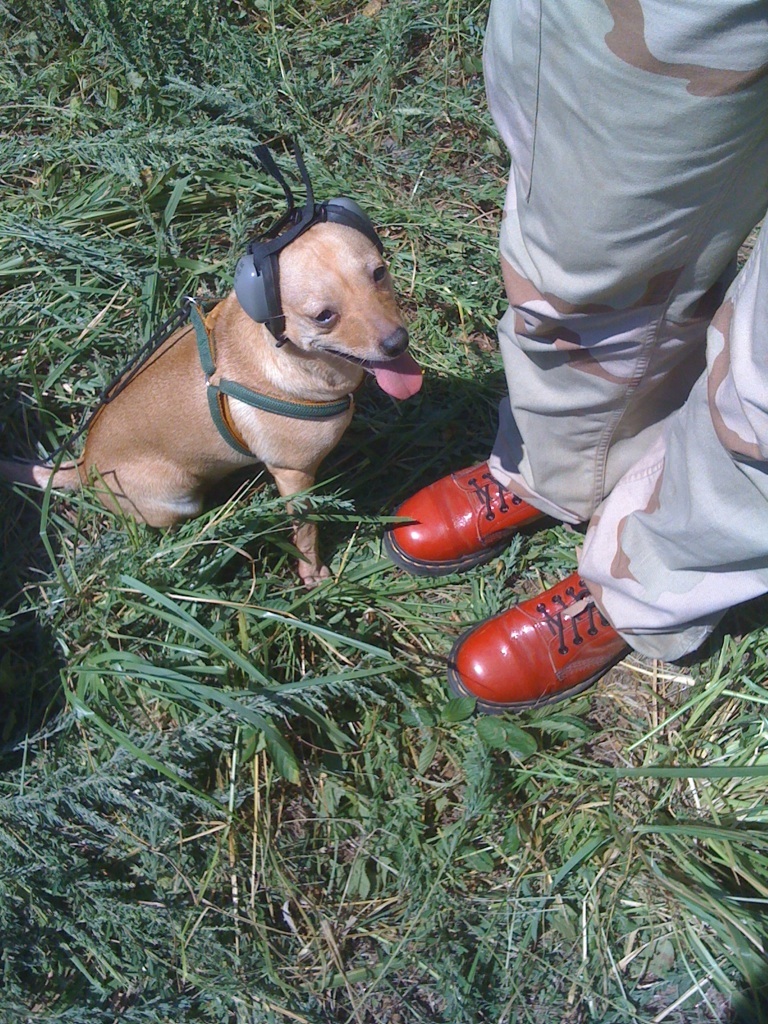 Doggies need hearing protection too! Image courtesy of AEPilotJim. |
I’ve been going pretty much non-stop since September 1st (the beginning of Dove season). Since then I’ve driven over 2,000 miles to three different hunting areas, and then driven up to Oklahoma for the Labor Day blog shoot with Jennifer, EvylRobot, Warrior Geek, AEPilotJim, and others (which was a blast BTW – you should go if you can next time).
Then this weekend is the Gun Blogger Rendezvous in Reno NV, which I simply am not going to make due to severe time constraints. I’m shooting a 3-Gun match this weekend and then rushing back home for my wife and I’s birthday party, so tonight was spent cramming magazines and making sure the competition guns and rig were all ready to go. I’ll be shooting the Mossberg M590A1 instead of my normal Remington 870. Probably won’t be much difference in my times, as long as I remember the tang mounted safety as opposed to the crossbolt.
This is all in addition to my normal blogging/writing duties at the day job and attempts to keep up with the other clients and my own work at home. Hopefully next week will slow down a bit, but I doubt it. I’ve got more hunting trips scheduled, articles to write and deadlines to meet. The life of a gun and outdoor writer may be fun, but it can be incredibly hectic this time of year!
How I spent my week
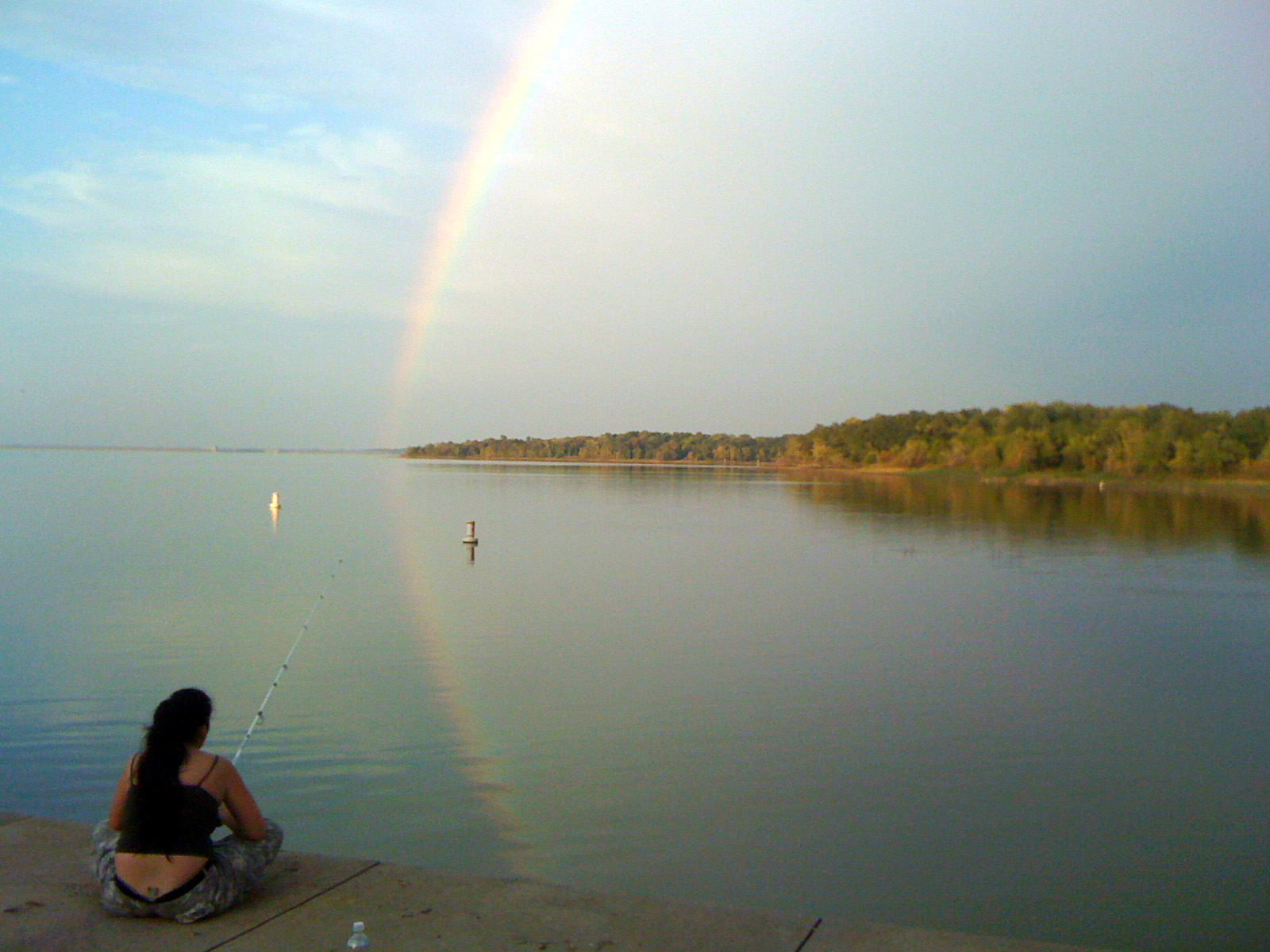
It simply doesn’t get more relaxing than that.
Autumn Rituals
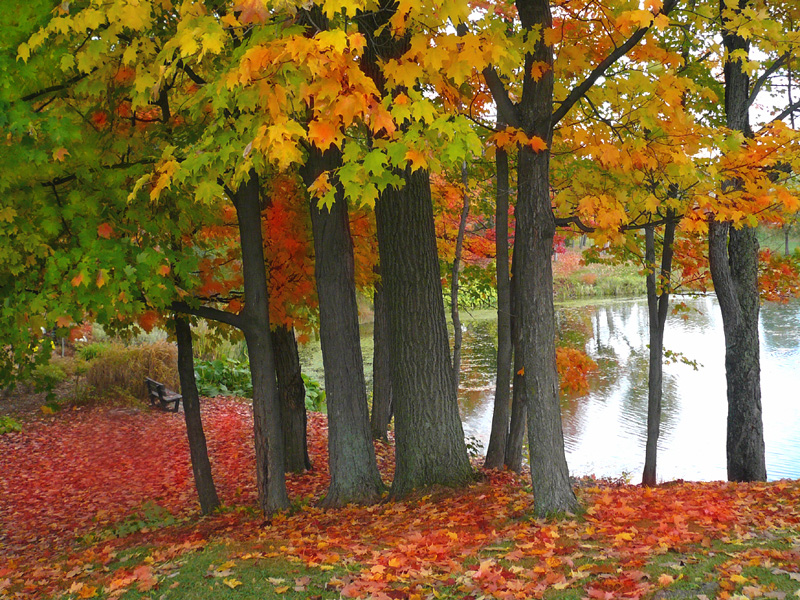 One of the rituals I do at the end of every summer is go through my gear and reorganize it, inspect it, prepare and repair it, to get ready for the next season. Every piece of equipment is critical. Over the years I’ve refined what I take with me into the woods down to the basics. Pieces have been added and dropped. New items I purchased last year have broken and need to be discarded- an experiment with some newfangled gizmo that it turns out didn’t work and I didn’t need anyway.
Some of the work is just restocking: new blades for the scalpel I use for field dressing, restock nitrile gloves used for the same task, inspect and replace frayed or worn rope and para-cord. There are knives to be sharpened, lighters and matches that need to be replaced, emergency and first aid kits that must have the contents examined and expired items replaced. More alcohol swabs for cleaning knives or disinfecting scratches from brambles and briars that tug on me as I move through the underbrush. More bug spray- a necessity in the warm early months of fall.
Then I come to the familiar pieces… the hat that perfectly fits my head after years of wear. Old familiar gloves that are threadbare in places. They all tell stories of past adventures. The Gerber saw that I spent nearly 30 minutes fishing from a muddy slough after it slipped from it’s place in a sheath on my belt, tugged loose by an errant branch as I crossed the bayou over a fallen tree, and the Buck skinning knife with it’s stag handle polished to a mirror finish in places from years of service skinning every deer, rabbit, squirrel, and hog I ever managed to take. I remember every one and the memories flood back as I clean, sharpen, and oil the blade.
The first cold front of fall swept through last night, bringing with it a cool breeze and refreshing rain, the kind of rain that shushes against the window as I drift off to sleep late at night and leaves the air cleansed and the ground damp in the morning as I step outside the next morning. The change in the weather wasn’t just a respite from the late August heat, it serves as a type of alarm clock. It awakens the spirit, urging those close to the rhythms of the earth to prepare for the cold winds of winter.
Long ago such weather changes served as an abrupt warning to our ancestors: hurry, hurry, time is precious and the winds will soon blow, the plants will die and the abundant game disappear, responding to their own need to hibernate or migrate south to warmer climes. Today, thousands of years later, it still triggers the same response. We feel the need to head out, hunt, gather, and store up nature’s bounty. There’s something refreshing about bringing home a hard won meal, an intimacy that results from taking your food from hoof to jerky and knowing that your preserved meats will last you through the cold.
Ancient man had their own rituals they performed in preparation for the winter. Some religious and complex involving elaborate ceremonies as they petitioned their deities to grant them a bountiful harvest and successful hunt. Others were more mundane as they prepared equipment, restringing bows and repairing spears before seeking out the great migrating herds of the North.
Today we still have our rituals, each with their own meaning and importance. Mine completed, I put my gear back into it’s place where it waits for me to rise obscenely early some morning and head out into the woods.
First Trip of the Season
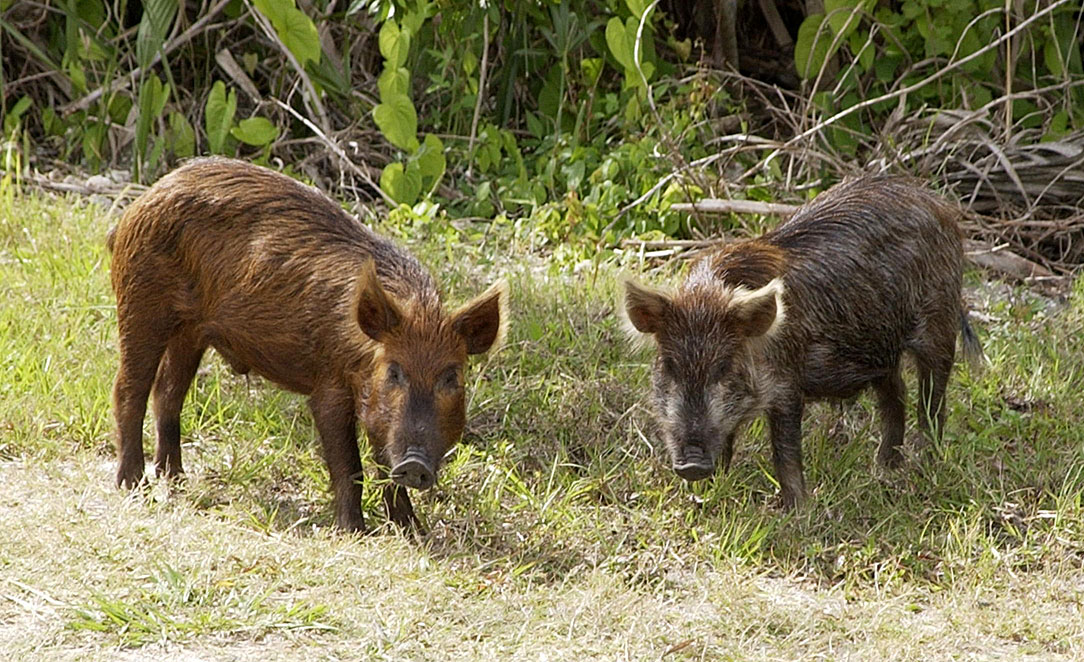 September 1st marks the beginning of hunting season here in Texas, and you better believe I’ll be out stalking the woods. Not having access to private hunting property, I’m left accessing public lands. Texas doesn’t have much public hunting land compared to many other western states, but there are still nearly 1 million acres available to anyone with a hunting license and annual public hunt permit.
Archery season for deer doesn’t begin until October 2nd, but certain Wildlife Management Areas (WMAs) open up for feral hog on September 1st. I haven’t hunted this particular parcel of land before, and won’t have time to scout it before heading out. Here, the internet becomes incredibly valuable. Using Google Earth, I surveyed the WMA. The detail of the aerial satellite photos makes it possible to discern hardwood stands from pine forests. For even more detail however, I use an even more incredibly detailed and useful resource, the Gap Analysis Program’s Land Cover Viewer.
Developed by the University of Idaho and the National Biological Infrastructure Information program, the highly detailed land map uses advanced satellite and thermal imagery to determine the precise makeup of plant life, soil, and water. Being paid for in part with your tax dollars, the program is made available to anyone on the internet. At Level 3, the most detailed level, you can see all 590 different types of terrain.
Since I’m going to be after feral hogs, I’m looking for mostly hardwood oak forests and riparian terrain with dense cover. Using the Land Cover Viewer it’s easy to zoom in on the terrain and determine where that cover is. In the mosquito infested Texas summer heat, hogs seek out cool relief from wallows they make in muddy terrain. Ravines, bogs, swamps, and flooded timber all make excellent hidey holes for heat stressed porkers.
This trip is primarily to scout out a good location to set a blind for deer season. No amount of research or scouting via maps and photos on the internet can ever substitute for actual boots on the ground. Still, I’m hopeful that a bit of research on the internet might result in my finding a nice hog or two, if they’re there, while I’m out scouting for deer.
A New Hunting Season
 Honest… I’m not counting down until Midnight when I can go by a new hunting license for 2010-2011.
No really!
Seriously, I’m not. I AM counting down the minutes until midnight when the new updated Public Hunting Lands map is released. Most hunters in Texas have no idea how much acreage of public hunting land is available. There are quite literally hundreds of thousands of acres open for hunting, as well as other uses such as hiking, fishing, and equestrian use.
I can’t afford a lease, and am forced to hunt in blaze orange among sometimes hundreds of other hunters. It’s not easy, you generally have to hike many miles into the areas to get away from the masses. Still, I’ve been successful multiple times a year.
There are some new properties I’m hoping to see on the map this year. Am I excited?
Heck yeah!
.22 Magnum Trail Guns
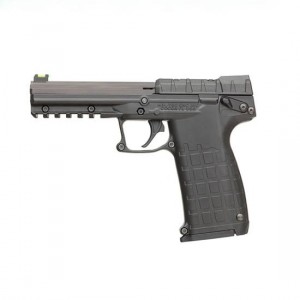 Kel-Tec claims they’ve shipped their newest gun, the PMR-30. I’ve been eagerly awaiting my own since ordering it back in April. I’ve been checking regularly with my local gun dealer – so far my pistol hasn’t come in yet.
I’ve long had a passion for .22 WMR autoloading pistols. Many people will argue that, if you want a .22 magnum pistol, you’re better off picking up an inexpensive and reliable revolver. Rimfire revolvers have been around for well over 100 years, and the technology is well refined. But there’s something to be said about having 10, 20, or even 30 round at your disposal without the need to reload.
A number of years ago I picked up an old AMT Automag II in fair condition. Long and lean, it looked like a cross between a 1911 and a Beretta 92 that had been crafted from shiny stainless steel. One of the first magnum autoloaders ever developed, it had a number of problems. Extraction issues caused by the late peak pressure of the .22 magnum load were ingeniously solved by engineers who had a number of tiny ports drilled at 90 degree angles into the chamber.
Later I came across an old Grendel P-30 in fair condition. It was an interesting pistol, but prone to feeding problems. Fun to shoot (when it would cycle), it looked like something out of Blade Runner. Unlike the AMT Automag II, I was never able to get my Grendel to cycle properly, despite the amount of money I gave my gunsmith.
Imagine then my excitement when FN Herstal came out with their Five seveN pistol, appropriately named given the 5.7x28mm cartridge it fired. The Five seveN boasted a 20 round magazine capacity and slightly better ballistic performance than the .22 magnum. It was also supremely reliable, though at a very high price. It wasn’t just the pistol that was expensive, retailing for more than $1,000. Ammunition, initially only available through FN, was priced over $0.50 per round. Of course I bought one anyway and still have it, though I don’t shoot it as often as I’d like to owing to the high cost of keeping it fed.
So when Kel-Tec, under the direction of George Kellgren the original designer of the Grendel P-30, announced that they were developing a .22 magnum autoloader it piqued my interest. So far however, Kel-Tec has been long on promises and short on delivery. Initial promises of an April delivery date soon became May and then June. Finally in July Kel-Tec announced that they had shipped their first delivery of PMR-30s. It’s August now, and no one can seem to find them yet.
I’ve got my ears to the ground and am eagerly looking for my own model, but so far haven’t found any dealers or distributors who have any. As soon as I find one however, you’ll find the review here.